New Pioneers Men’s Lab
The New Pioneers Men’s Lab is a grassroots community initiative based in Rochdale and Heywood, focused on supporting men’s mental and physical wellbeing through inclusive group activities, peer support, and positive social engagement. The aim was to create a safe, welcoming space where men of different ages, backgrounds, and life experiences could connect with others, engage in healthy habits, and build resilience in a non-judgemental environment.
The project addresses the increasing issue of male social isolation, particularly among those from marginalised or low-income backgrounds. Many of the participants face barriers to wellbeing, whether through unemployment, poor mental health, or limited access to support. Men’s Lab was created to empower individuals to take ownership of their wellbeing and to foster community cohesion through meaningful, low-pressure activities.
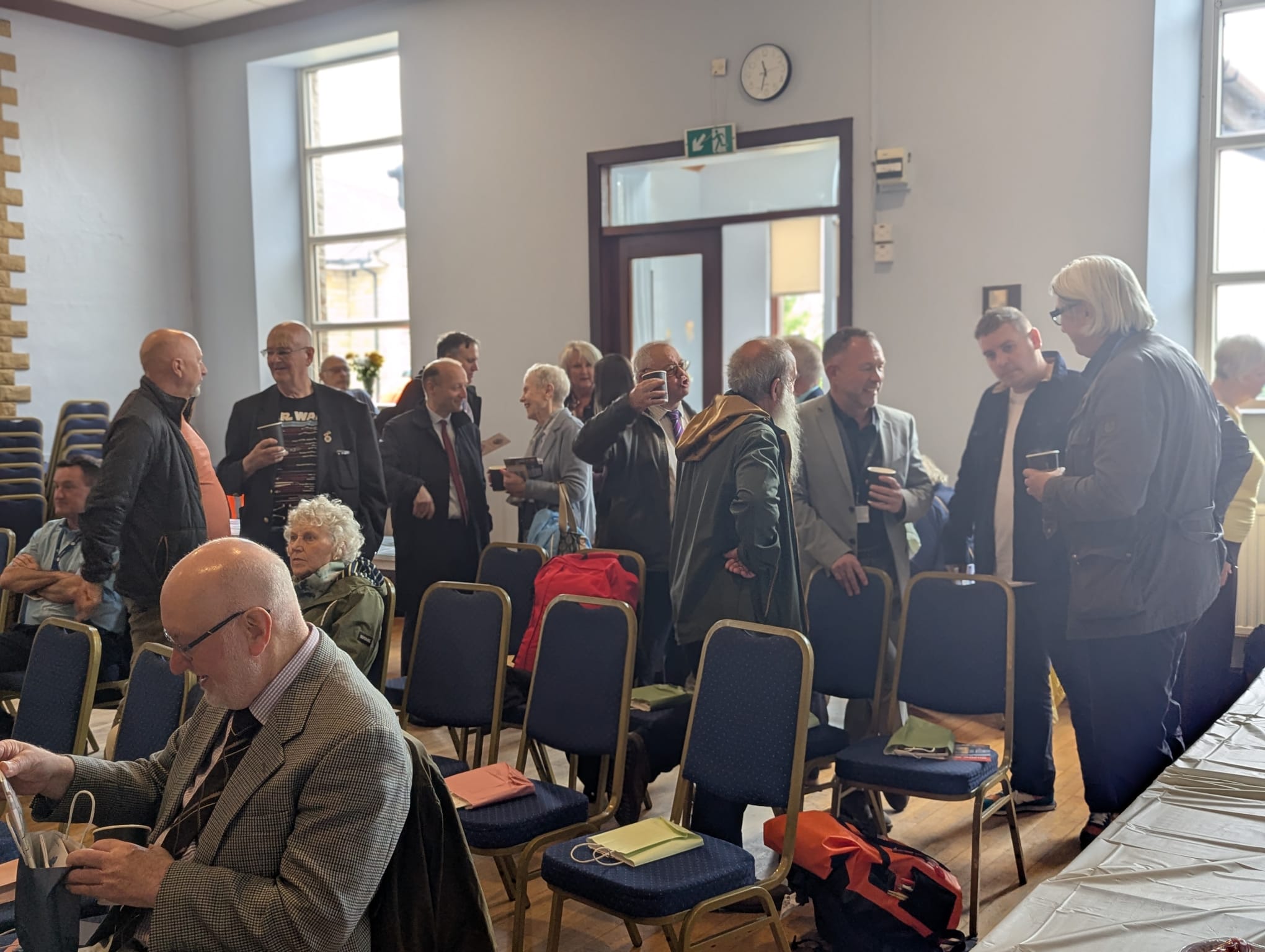
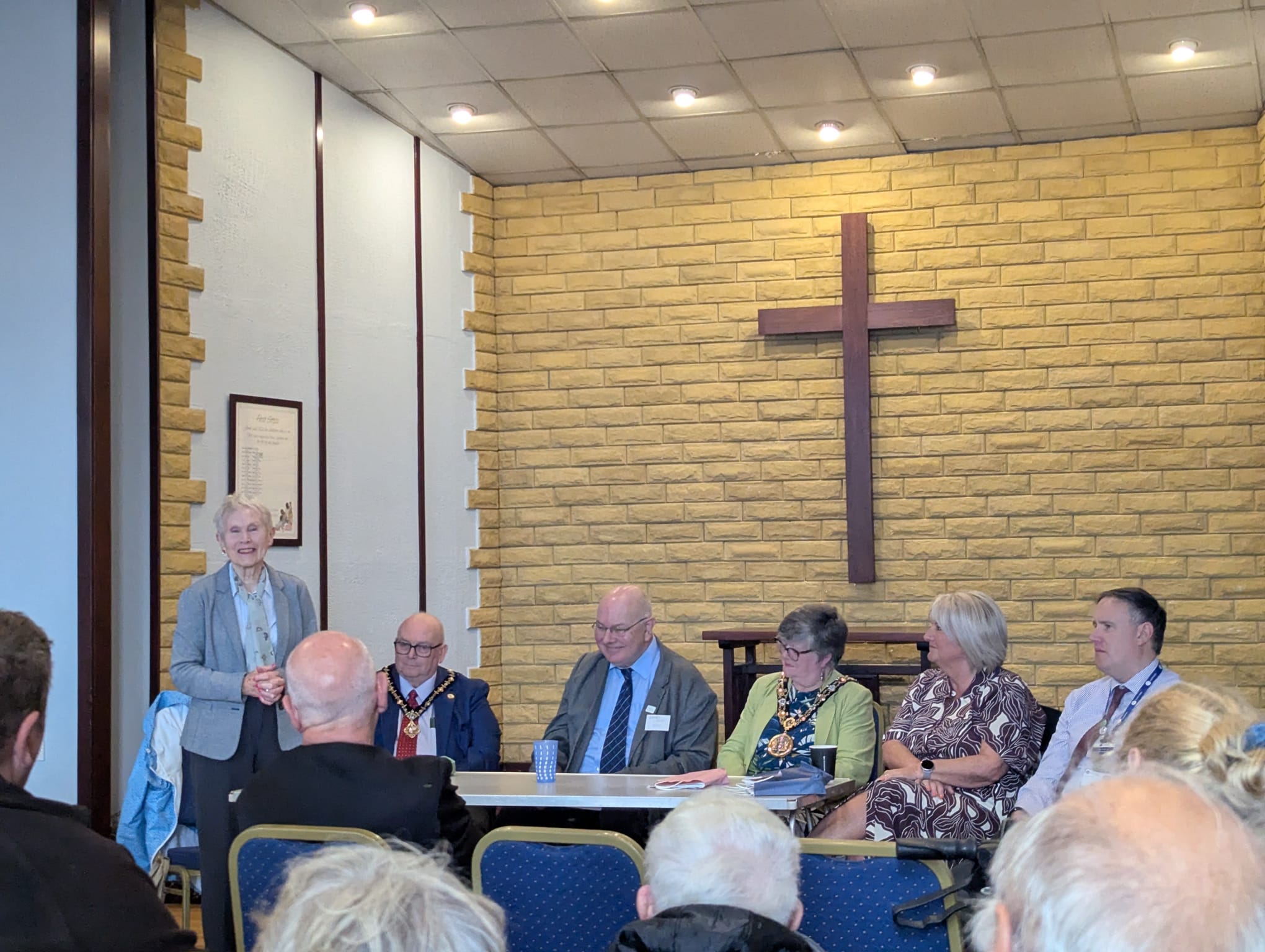
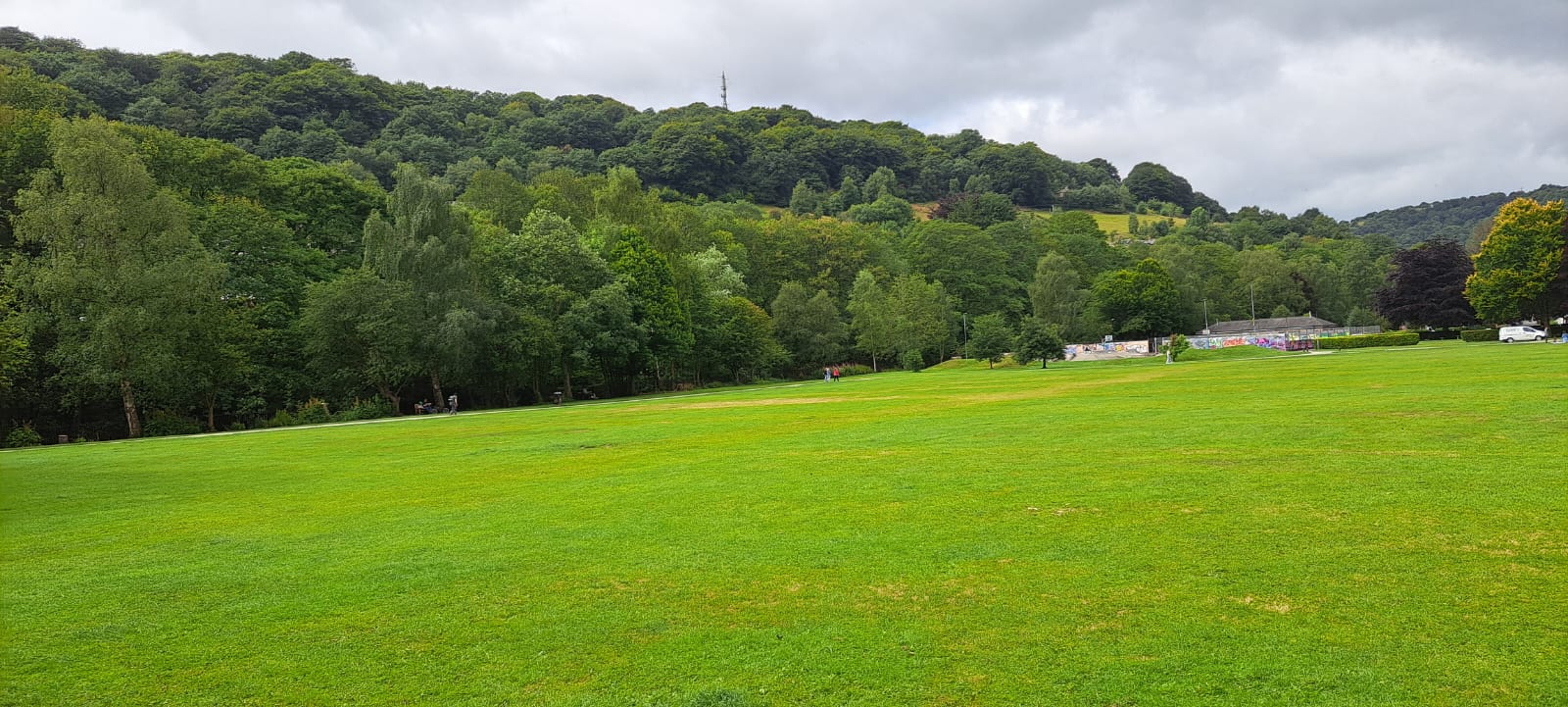
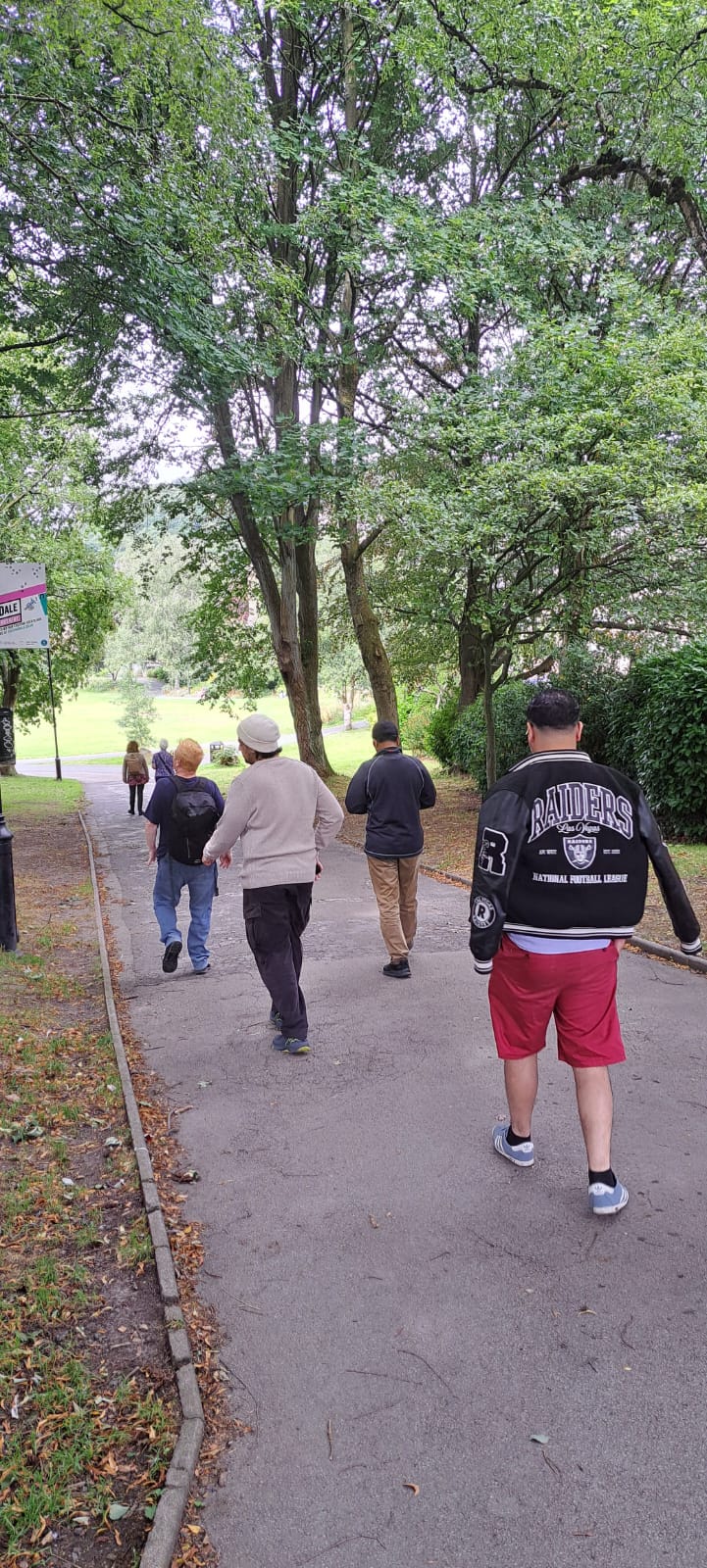
The Men’s Lab meets regularly for a variety of sessions tailored to the group’s needs and interests. These include fitness classes, nature walks, outdoor activities, and creative workshops, often led by community volunteers or local professionals. One of the core principles is peer support – men are encouraged to share their experiences, listen without judgement, and build connections through honest conversation and shared challenges.
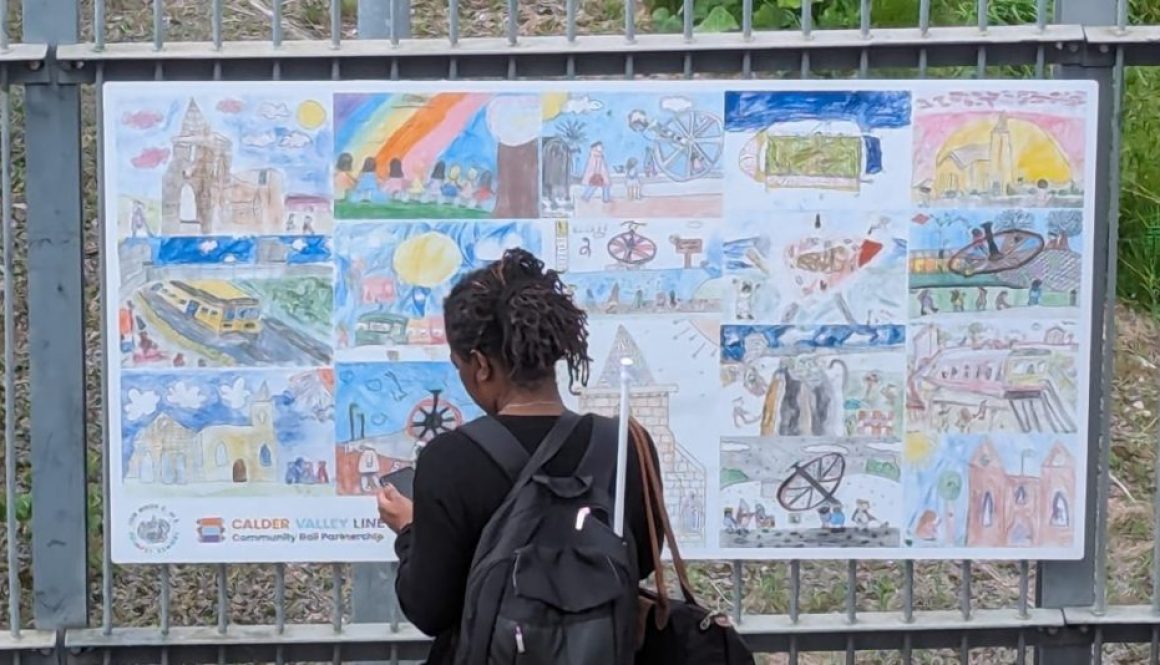
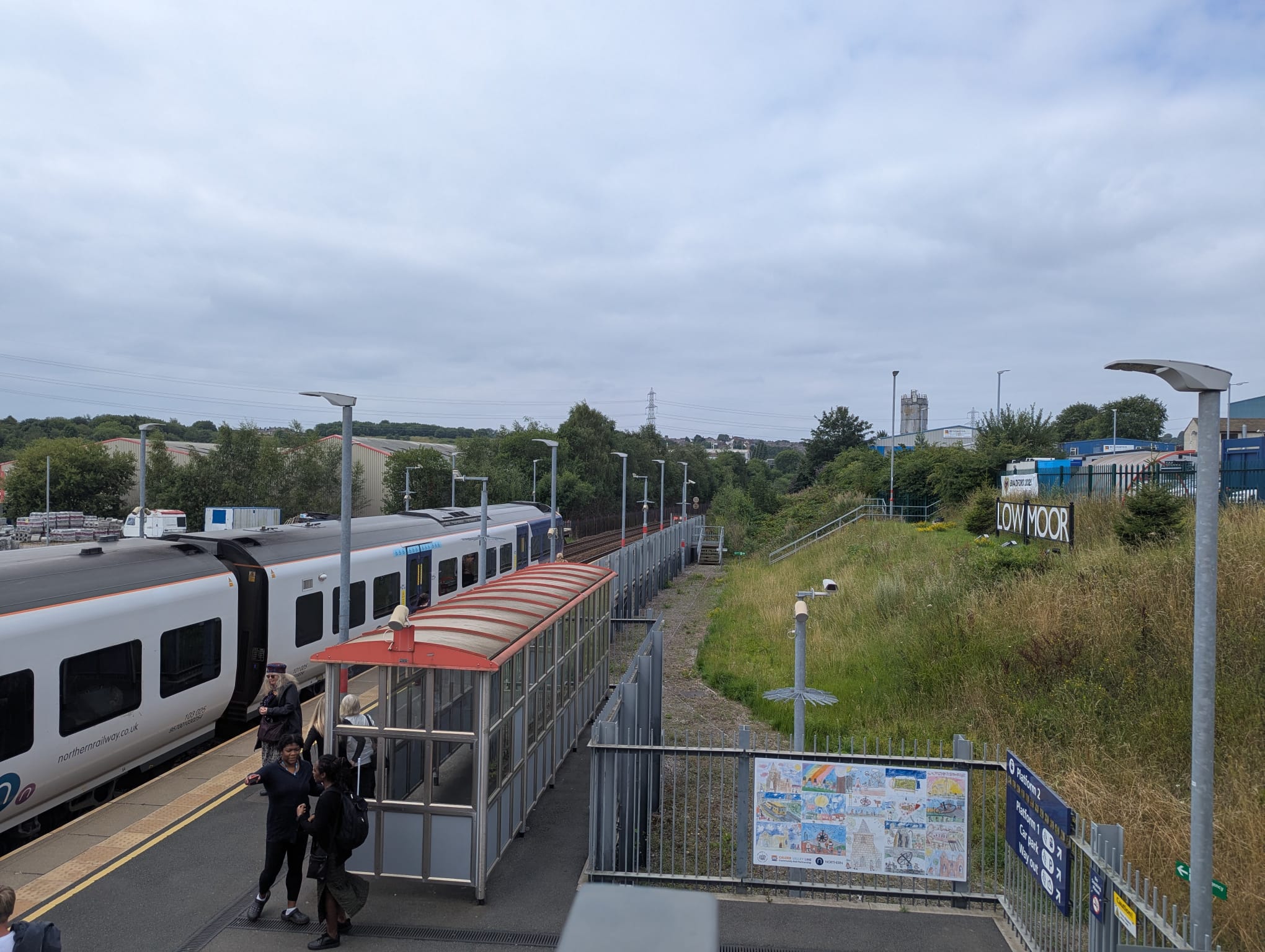
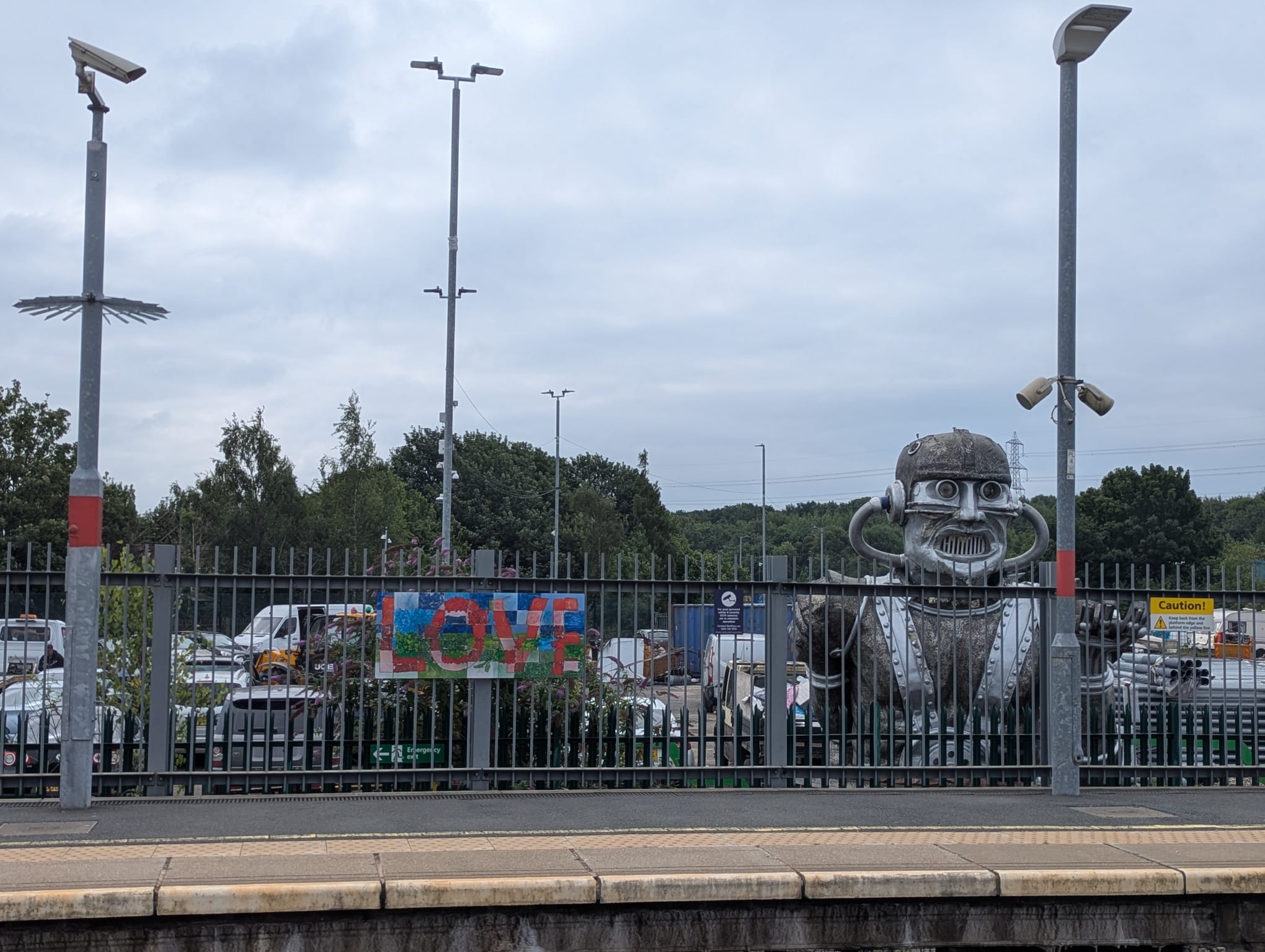
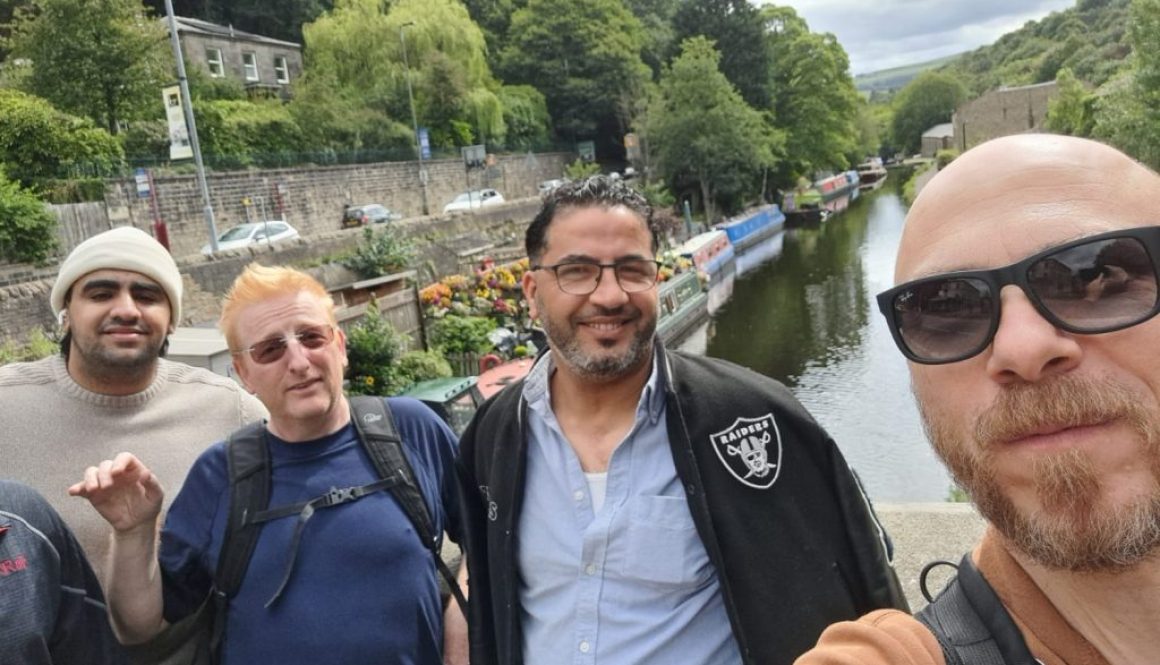
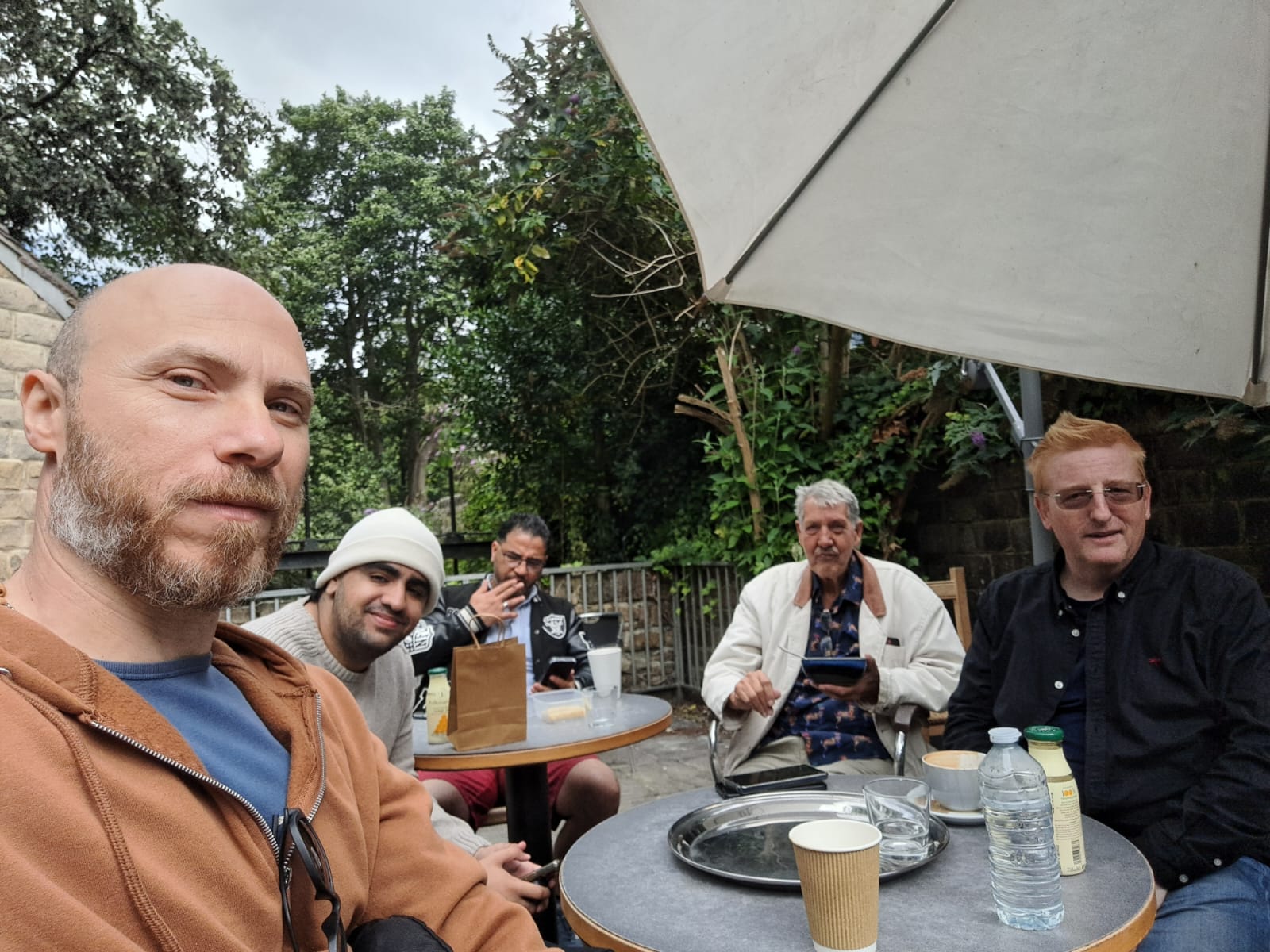
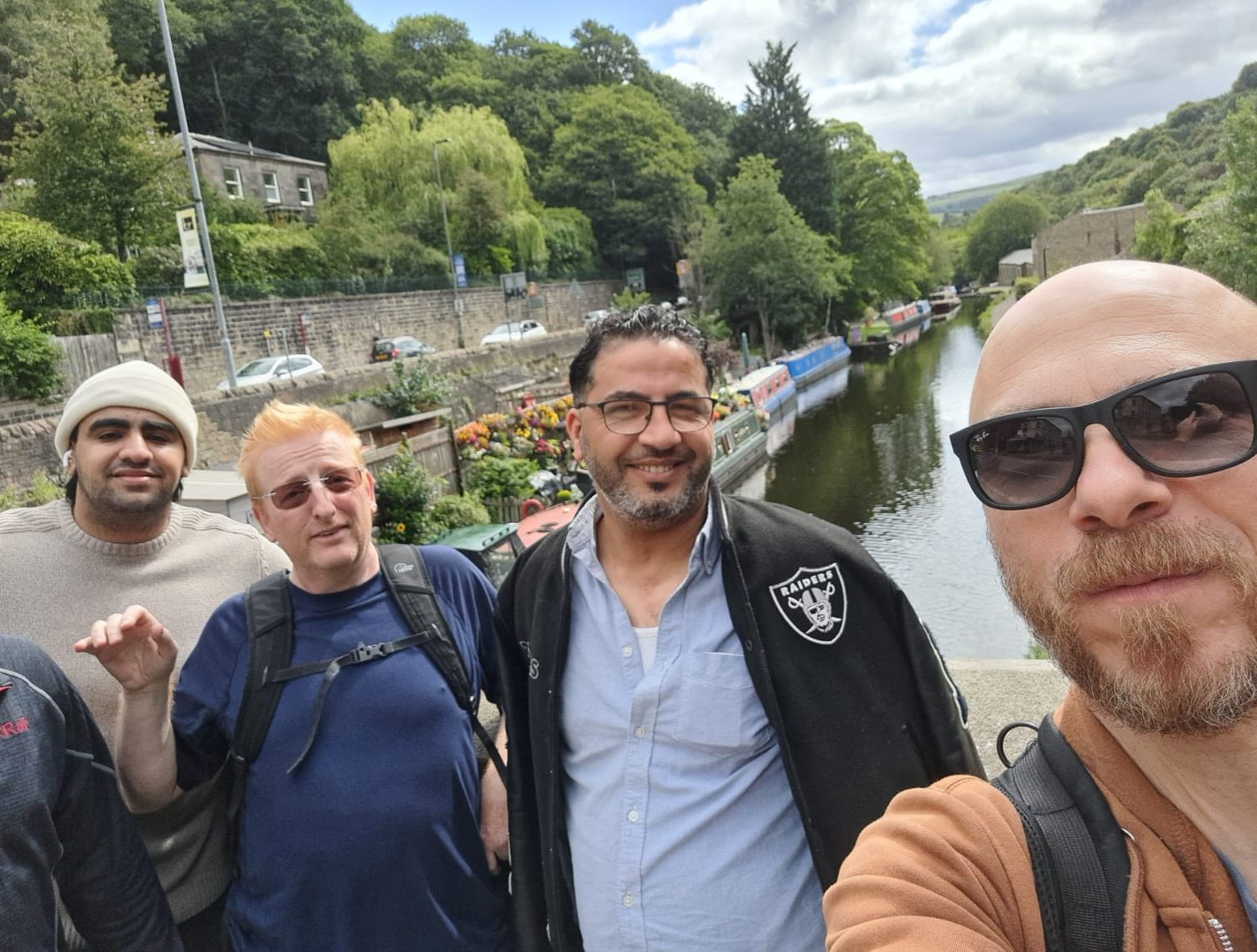
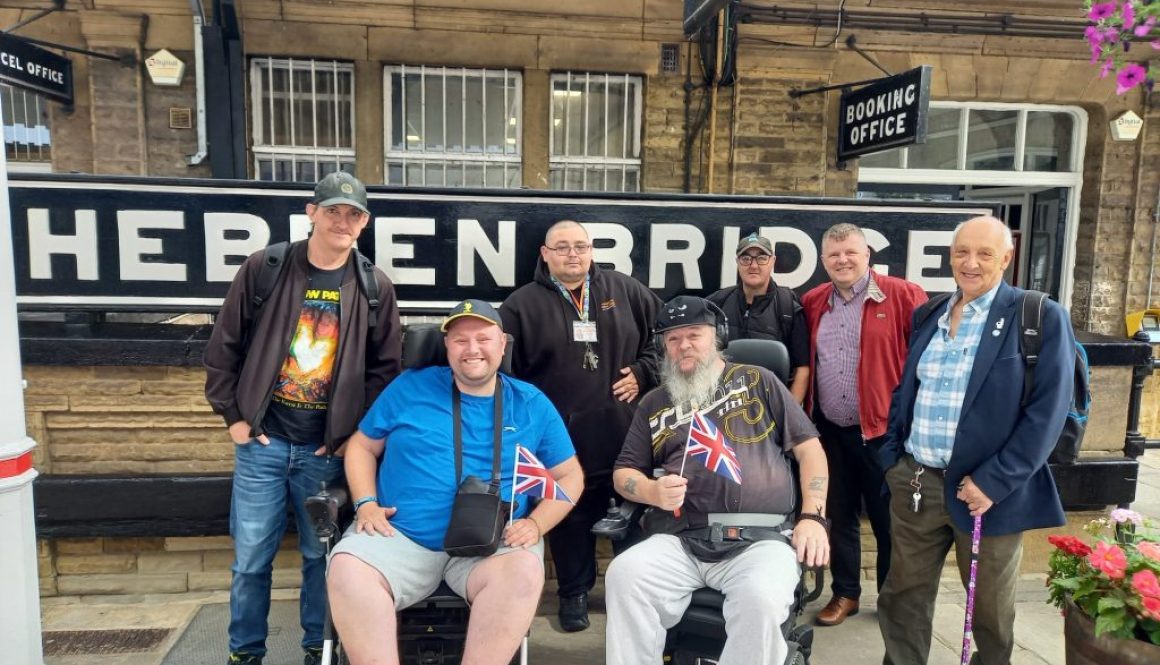
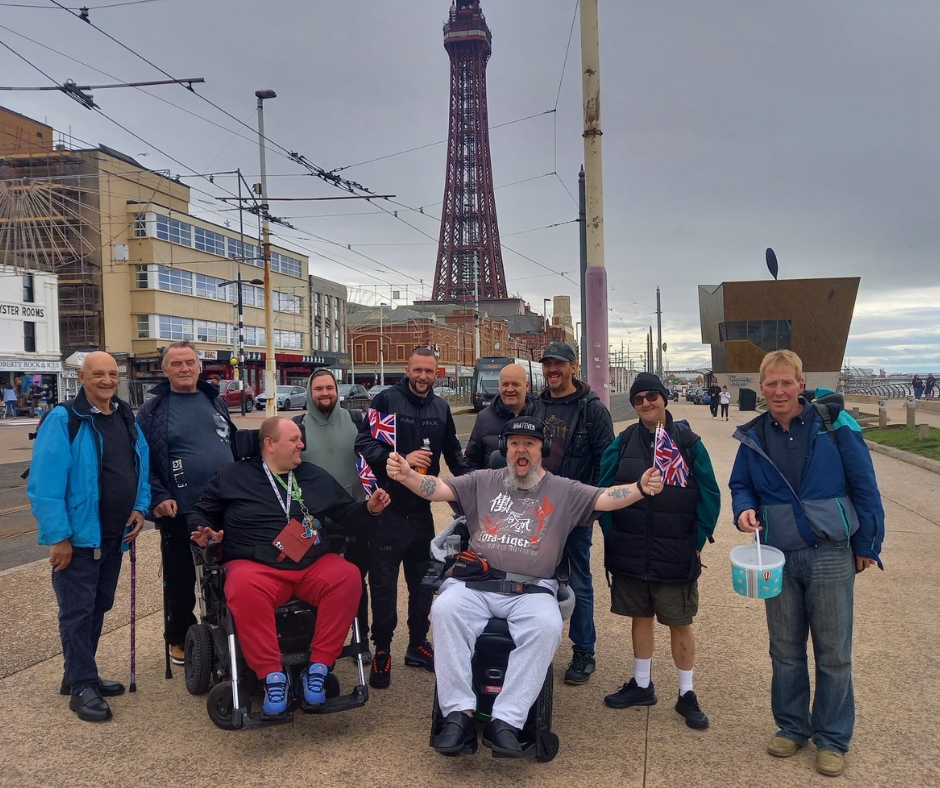
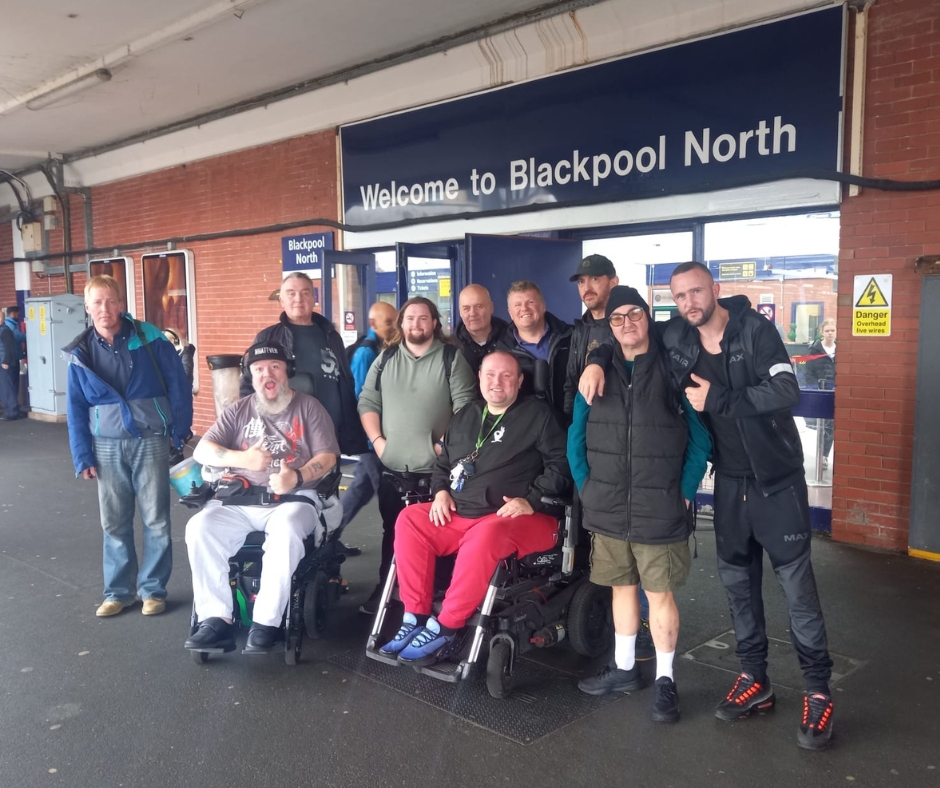
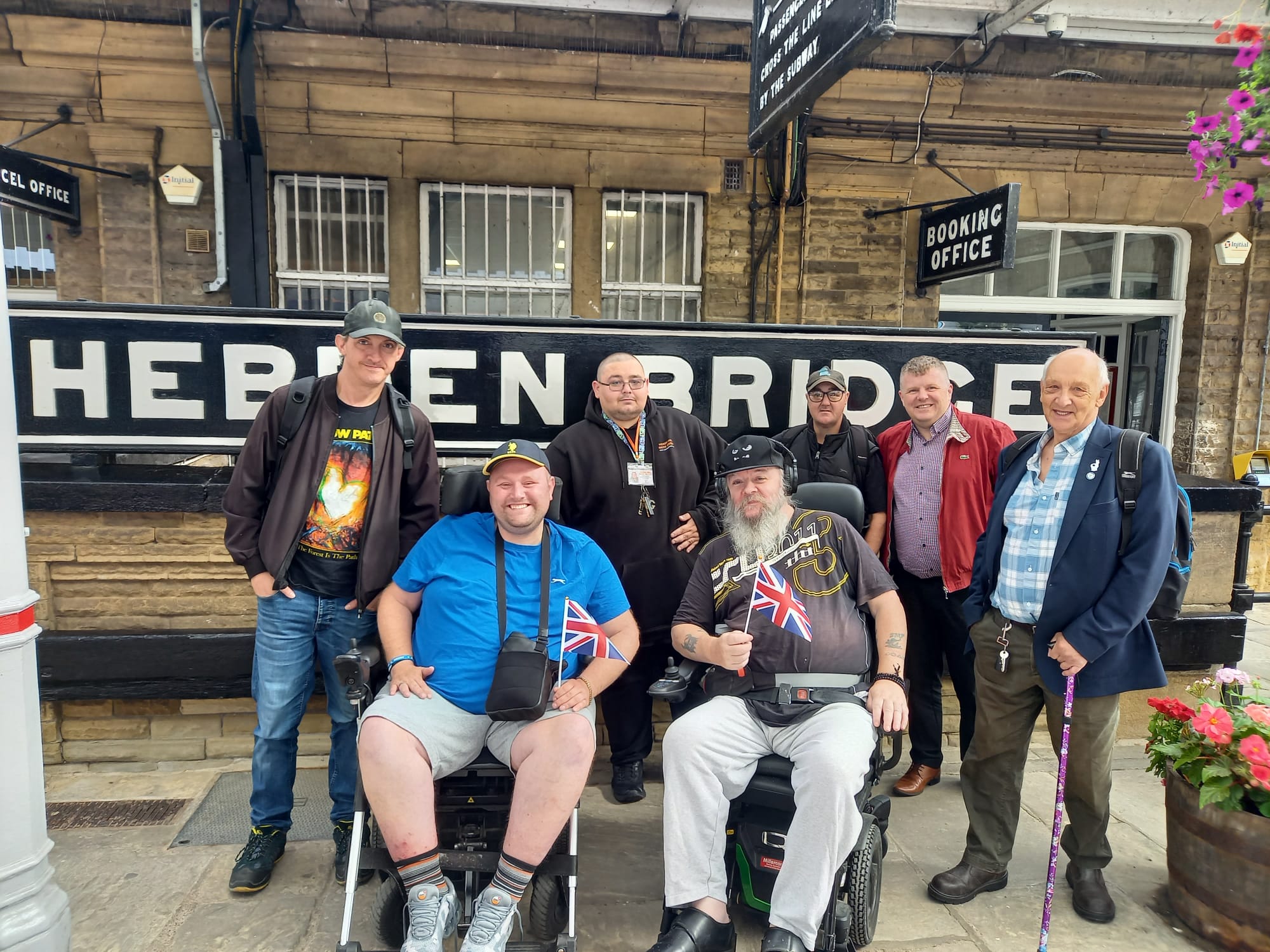
A key development in the project’s growth has been the partnership with Calder Valley Line Community Rail Partnership and Northern Trains, which provided the group with Community Rail Train Passes. This enabled members to take part in group train trips to places like Hebden Bridge and Blackpool – destinations they may not have otherwise been able to access.
These journeys offered more than a change of scenery. They became opportunities for bonding, stress relief, and community connection. For many men in the group, stepping outside of the daily routine and travelling as a group helped them to reconnect with the wider world, reduce anxiety, and find joy in shared experiences. Train travel also removed the cost barrier, making the programme accessible and inclusive.
The Men’s Lab has had a clear and measurable positive impact. Participants have reported improvements in confidence, mental clarity, physical health, and motivation to try new things. Many have formed friendships and support networks that extend beyond the group sessions. For some, Men’s Lab was a first step in re-engaging with their community or seeking further help for mental health concerns. From a sustainability perspective, the project encourages low-carbon travel, promotes active lifestyles, and fosters local partnerships that create lasting social
value. The use of public transport aligns with the goals of reducing isolation without increasing environmental impact, showing how wellbeing initiatives and sustainability can go hand in hand. The project also reflects broader social change by challenging stigma around men’s mental health and showing the power of community-based, culturally sensitive responses to wellbeing.
The New Pioneers Men’s Lab is a shining example of community-led, sustainable change. It shows how simple tools – shared spaces, peer connection, and access to public transport – can make a profound difference in people’s lives.